

Dr. Malti Bhojwani (MBBS, DGO, MD) is the guiding force behind Malti Hospital & Test Tube Baby Centre and is widely recognized for her exceptional contribution to women’s healthcare and fertility services. With more than 40 years of clinical experience, she has helped thousands of women achieve safe pregnancies and overcome complex reproductive health conditions. Her expertise, compassionate care, and evidence-based treatment approach have earned her a reputation among families seeking quality fertility and gynecological care.
She served as an Assistant Professor at Jaipur Medical College for seven years before gaining valuable international experience as a Specialist at Riyadh Central Hospital, one of the largest maternity hospitals in Saudi Arabia. As an experienced Best Gynecologist in Bhopal, Dr. Malti Bhojwani specializes in high-risk pregnancies, infertility management, advanced reproductive medicine, and women’s wellness. Her ethical medical practice and patient-first philosophy continue to make Malti Hospital one of the most preferred destinations for couples looking for comprehensive fertility care.
Our Journey – A Legacy of Women’s Health & Fertility Care
Malti Hospital & Test Tube Baby Centre was established in 1986 with a vision to provide comprehensive maternity care and advanced women’s healthcare in Bhopal. Over the years, it has become a trusted destination for women seeking quality gynecological services, safe motherhood, and specialized reproductive care.
Recognizing the growing need for advanced fertility services, the hospital established its IVF Centre in 2007. Since then, countless couples have fulfilled their dream of parenthood through modern fertility treatments, making Malti Hospital a preferred Best IVF Hospital in Bhopal for patients seeking compassionate and advanced infertility care.
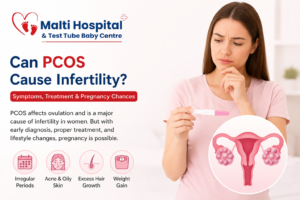
Can PCOS Cause Infertility? Symptoms, Treatment & Pregnancy Chances
Polycystic Ovary Syndrome (PCOS) is one of the most common hormonal disorders affecting women of reproductive age. According to fertility experts at the Best IVF Hospital in Bhopal, PCOS is responsible for a significant number of infertility cases because it directly affects ovulation. Although receiving a PCOS diagnosis can feel overwhelming, it does not mean that pregnancy is impossible. With timely diagnosis, lifestyle modifications, appropriate medications, and advanced fertility treatments, many women with PCOS successfully conceive and experience healthy pregnancies.
The number of women diagnosed with PCOS has increased significantly over the past decade due to changing lifestyles, obesity, stress, poor dietary habits, and hormonal imbalances. Unfortunately, many women ignore irregular periods or mild symptoms until they begin planning a pregnancy. Early diagnosis and appropriate PCOS Treatment in Bhopal can improve reproductive health, restore ovulation, and reduce the risk of long-term complications. Understanding how PCOS affects fertility empowers women to seek timely medical advice and improve their chances of becoming mothers.
What Is PCOS and How Does It Affect Women’s Fertility?
Polycystic Ovary Syndrome (PCOS) is a hormonal condition in which the ovaries produce higher-than-normal levels of male hormones (androgens). This hormonal imbalance interferes with the normal development and release of eggs during the menstrual cycle.
Instead of releasing a mature egg every month, the ovaries often contain multiple small immature follicles that fail to ovulate. As a result, women may experience irregular menstrual cycles, delayed ovulation, or complete absence of ovulation, making natural conception difficult.
Doctors providing Infertility Treatment in Bhopal explain that PCOS affects much more than fertility. It also influences metabolism, insulin sensitivity, hormone balance, body weight, and overall reproductive health. Early diagnosis helps reduce these effects and supports better pregnancy outcomes.
Does Every Woman with PCOS Become Infertile?
One of the biggest misconceptions about PCOS is that every woman diagnosed with the condition will face infertility. The reality is very different.
Many women with PCOS conceive naturally without requiring advanced fertility treatments. Others may need lifestyle modifications, medications, or ovulation induction to improve their fertility. Even women who require IVF often achieve excellent pregnancy outcomes when treated by experienced specialists.
The severity of PCOS varies from person to person. Some women ovulate occasionally, while others experience prolonged anovulation. Factors such as age, body weight, insulin resistance, thyroid disorders, and overall reproductive health also influence fertility.
Specialists at the Best IVF Hospital in Bhopal emphasize that early evaluation greatly improves the chances of successful conception because treatment can begin before complications become more severe.
Why Does PCOS Make It Difficult to Get Pregnant?
Pregnancy occurs only when a healthy egg is released and fertilized by sperm. In women with PCOS, this process is often disrupted because ovulation becomes irregular or completely absent.
Several biological mechanisms contribute to infertility in women with PCOS.
Irregular Ovulation
Hormonal imbalance prevents the ovaries from releasing mature eggs regularly. Without ovulation, natural conception becomes difficult.
Increased Androgen Levels
Higher levels of male hormones interfere with normal ovarian function and affect egg development.
Insulin Resistance
Many women with PCOS have insulin resistance, causing increased insulin production. High insulin levels stimulate additional androgen production, worsening ovulation problems.
Poor Egg Maturity
Although multiple follicles may develop inside the ovaries, many eggs fail to mature completely, reducing fertilization chances.
Endometrial Changes
Irregular menstrual cycles may affect the uterine lining, making implantation less favorable even after fertilization.
These combined factors explain why many women seek consultation with an experienced
IVF Specialist in Bhopal when pregnancy does not occur despite regular attempts.
What Are the Common Symptoms of PCOS?
PCOS presents differently in every woman. Some experience multiple symptoms, while others notice only irregular periods before fertility concerns arise.
Common symptoms include:
-
- Irregular or missed menstrual periods
- Delayed ovulation
- Difficulty becoming pregnant
- Excess facial or body hair
- Acne and oily skin
- Weight gain
- Difficulty losing weight
- Hair thinning or hair loss
- Dark patches around the neck or underarms
- Mood swings
- Fatigue
- Multiple small ovarian cysts on ultrasound
Many women ignore these symptoms for years, assuming they are part of normal hormonal changes. However, persistent symptoms should never be overlooked because early diagnosis allows timely PCOS Treatment in Bhopal, helping prevent future fertility problems.
Can Women with PCOS Get Pregnant Naturally?
Yes. Many women with PCOS conceive naturally after improving their lifestyle and restoring regular ovulation.
The chances of natural pregnancy depend on several factors, including:
-
- Age
- Body Mass Index (BMI)
- Frequency of ovulation
- Duration of infertility
- Partner’s fertility status
- Overall reproductive health
- Presence of insulin resistance
Women with mild PCOS often respond well to weight management, healthy eating habits, regular exercise, and medical treatment that stimulates ovulation.
When pregnancy does not occur after several months of treatment, fertility specialists may recommend additional investigations and advanced reproductive techniques to improve success rates.
How Is PCOS Diagnosed?
Accurate diagnosis is the first step toward successful fertility treatment. Specialists perform a detailed evaluation to identify hormonal imbalances and determine the severity of the condition.
The diagnostic process generally includes:
Medical History
The doctor evaluates:
-
- Menstrual cycle pattern
- Previous pregnancies
- Family history of PCOS
- Weight changes
- Acne or excessive hair growth
- Fertility history
Physical Examination
The examination may include assessment of:
-
- Body weight
- BMI
- Blood pressure
- Skin changes
- Hair growth pattern
- Signs of hormonal imbalance
Blood Investigations
Doctors may recommend:
-
- LH and FSH levels
- Testosterone levels
- AMH test
- Thyroid function tests
- Blood sugar levels
- Fasting insulin
- Prolactin
- Lipid profile
Ultrasound Examination
Pelvic ultrasound helps identify enlarged ovaries containing multiple immature follicles, a characteristic finding in many women with PCOS.
An experienced Best Gynecologist in Bhopal carefully combines clinical findings, laboratory reports, and ultrasound results before confirming the diagnosis and planning personalized treatment.
Can PCOS Be Treated Successfully?
The encouraging news is that PCOS cannot always be permanently cured, but it can be managed very effectively. Treatment focuses on restoring ovulation, regulating menstrual cycles, improving hormonal balance, and increasing the chances of pregnancy.
The treatment plan varies according to the woman’s age, symptoms, future pregnancy plans, and overall health.
Most women benefit from:
-
- Lifestyle modifications
- Healthy weight management
- Regular physical activity
- Balanced nutrition
- Medications to improve ovulation
- Hormonal therapy when required
- Insulin-sensitizing medicines in selected cases
- Regular monitoring of reproductive health
Women planning pregnancy should never self-medicate. Timely consultation with an experienced fertility specialist significantly improves reproductive outcomes and supports safe Pregnancy Treatment in Bhopal.
What Is the Best Fertility Treatment for PCOS?
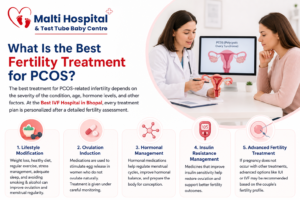
The best treatment for PCOS-related infertility depends on the severity of the condition, age of the woman, duration of infertility, body weight, hormone levels, and the presence of other fertility issues. At the Best IVF Hospital in Bhopal, every treatment plan is personalized after a detailed fertility assessment rather than following a one-size-fits-all approach.
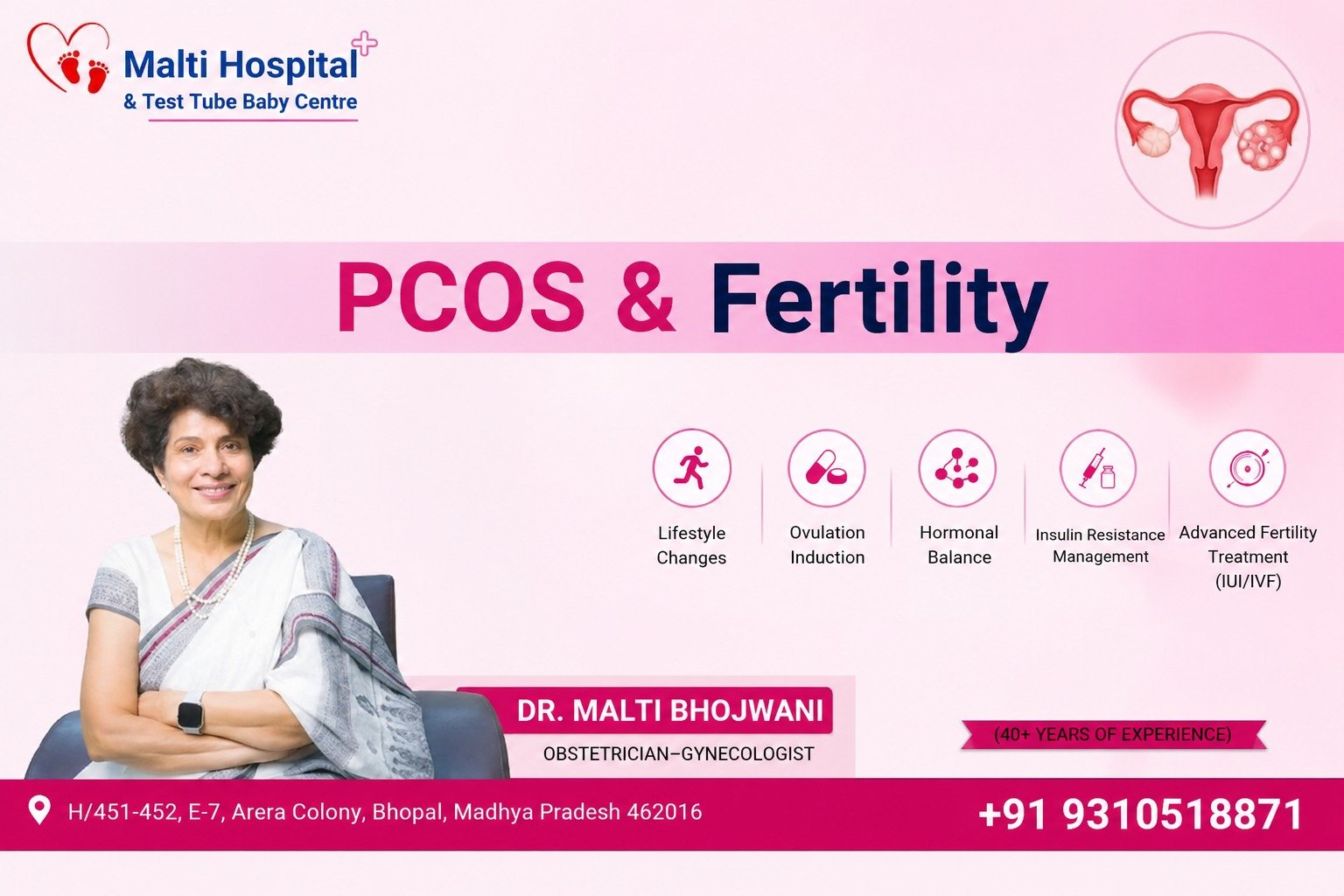
Treatment options may include:
1. Lifestyle Modification
For overweight women, losing even 5–10% of body weight can significantly improve ovulation and menstrual regularity. Doctors usually recommend:
-
- Balanced diet rich in protein and fiber
- Regular physical activity
- Weight management
- Stress reduction
- Adequate sleep
- Avoiding smoking and alcohol
Many women conceive naturally after adopting healthier lifestyle habits.
2. Ovulation Induction
If natural ovulation does not occur, doctors may prescribe medications that stimulate egg release. These medicines are given under careful monitoring to increase pregnancy chances while minimizing complications.
3. Hormonal Management
Hormonal medications help regulate menstrual cycles, improve hormonal balance, and prepare the body for conception when appropriate.
4. Insulin Resistance Management
Women with insulin resistance may benefit from medications that improve insulin sensitivity, helping restore regular ovulation and improve fertility outcomes.
5. Advanced Fertility Treatment
If pregnancy does not occur despite medical management, advanced Infertility Treatment in Bhopal such as IUI or IVF may be recommended depending on the couple’s fertility profile.
When Is IVF Recommended for Women with PCOS?
Although many women with PCOS become pregnant naturally or with ovulation-inducing medicines, IVF may be the most suitable option in certain situations.
An experienced IVF Specialist in Bhopal may recommend IVF when:
-
- Ovulation medicines fail
- Multiple IUI cycles are unsuccessful
- Advanced maternal age
- Severe male factor infertility
- Blocked fallopian tubes
- Low ovarian reserve
- Long-standing infertility
- Recurrent pregnancy loss
- Multiple infertility factors are present
Modern IVF protocols are specially designed for women with PCOS to minimize complications while maximizing pregnancy success. Careful monitoring of ovarian response allows doctors to retrieve healthy eggs safely and improve embryo quality.
What Are the Pregnancy Chances with PCOS?
One of the most common questions women ask is whether they can have a successful pregnancy despite PCOS.
The answer is encouraging—yes.
With early diagnosis, appropriate treatment, and expert fertility care, many women with PCOS successfully conceive and deliver healthy babies.
Pregnancy chances depend on several factors:
-
- Woman’s age
- Severity of PCOS
- Body weight
- Ovulation pattern
- Egg quality
- Partner’s sperm quality
- Overall reproductive health
- Timely medical intervention
Seeking treatment early significantly improves outcomes compared to delaying fertility evaluation for several years.
Can Lifestyle Changes Improve Fertility in Women with PCOS?
Absolutely. Lifestyle modification is considered one of the most effective first-line treatments for PCOS.
Doctors often encourage women to make sustainable lifestyle improvements because these changes can naturally improve hormone balance and reproductive health.
Recommended habits include:
Maintain a Healthy Weight
Weight reduction improves insulin sensitivity, hormone regulation, and ovulation.
Exercise Regularly
At least 30–45 minutes of moderate exercise five days a week helps improve metabolism and fertility.
Eat a Balanced Diet
Choose:
-
- Fresh fruits
- Green vegetables
- Whole grains
- Lean proteins
- Healthy fats
- Fiber-rich foods
Manage Stress
Stress hormones can worsen hormonal imbalance. Yoga, meditation, walking, and adequate sleep support better reproductive health.
Get Adequate Sleep
Sleeping 7–8 hours every night helps regulate hormonal function and metabolism.
Lifestyle modification also improves the effectiveness of fertility treatments when combined with expert PCOS Treatment in Bhopal.
Which Foods Should Women with PCOS Eat?
Nutrition plays a major role in managing PCOS symptoms. Healthy foods include:
-
- Leafy green vegetables
- Fresh fruits
- Whole grains
- Oats
- Brown rice
- Lentils
- Beans
- Eggs
- Fish
- Nuts
- Seeds
- Greek yogurt
- Healthy oils
These foods help regulate blood sugar, improve insulin sensitivity, reduce inflammation, and support hormone balance.
Which Foods Should Be Avoided?
Women with PCOS should reduce intake of:
-
- Sugary beverages
- Processed foods
- White bread
- White rice
- Refined flour
- Bakery products
- Fried foods
- Fast food
- Excess sweets
- Packaged snacks
- Trans fats
Limiting these foods helps reduce insulin resistance and supports healthy ovulation.
Can PCOS Increase Pregnancy Risks?
Yes. Women with PCOS have a slightly higher risk of certain pregnancy complications, especially if hormonal imbalance and insulin resistance remain uncontrolled.
Possible complications include:
-
- Gestational diabetes
- Pregnancy-induced hypertension
- Preeclampsia
- Miscarriage
- Premature delivery
- High birth weight baby
- Cesarean delivery
Fortunately, regular antenatal care and timely Pregnancy Treatment in Bhopal help reduce these risks and support a healthy pregnancy journey.
When Should You Consult a Fertility Specialist?
Women should seek medical advice if they experience:
-
- Irregular periods for several months
- Difficulty conceiving after one year of trying (or after six months if over 35 years)
- Excess facial hair
- Severe acne
- Unexplained weight gain
- Recurrent miscarriages
- Previously diagnosed PCOS
- Long menstrual gaps
- Abnormal ultrasound findings
Early evaluation prevents unnecessary delays and improves treatment success.
Why Choose Malti Hospital & Test Tube Baby Centre?
For decades, Malti Hospital & Test Tube Baby Centre has remained committed to providing ethical, evidence-based fertility and women’s healthcare services.
Reasons why patients choose the hospital include:
-
- More than 40 years of gynecology experience
- Established IVF Centre since 2007
- Advanced fertility evaluation
- Modern IVF laboratory
- Personalized infertility treatment plans
- Experienced fertility specialists
- High-risk pregnancy expertise
- Comprehensive women’s healthcare under one roof
- Compassionate patient-centered care
- Transparent treatment approach
The hospital continues to support couples throughout every stage of their fertility journey with advanced reproductive technologies and compassionate medical care
Call to Action
If you are struggling with irregular periods, PCOS, or difficulty conceiving, don’t delay seeking expert medical advice. Dr. Malti Bhojwani and the experienced fertility team at Malti Hospital & Test Tube Baby Centre provide comprehensive evaluation, personalized fertility care, and advanced reproductive treatments to help couples achieve healthy pregnancies with confidence.
Frequently Asked Questions (FAQs) – Best IVF Hospital in Bhopal
1. Can women with PCOS become pregnant naturally?
Yes. Many women with PCOS conceive naturally after lifestyle modification and appropriate medical treatment.
2. Does every woman with PCOS need IVF?
No. IVF is recommended only when simpler treatments fail or other infertility factors are present.
3. Is PCOS completely curable?
PCOS cannot always be permanently cured, but it can be effectively managed through lifestyle changes and medical treatment.
4. What is the biggest cause of infertility in PCOS?
Irregular or absent ovulation is the most common reason for infertility in women with PCOS.
5. Can losing weight improve fertility in PCOS?
Yes. Even modest weight loss can improve ovulation, hormone balance, and pregnancy chances.
6. How long does PCOS treatment take before pregnancy?
The timeline varies depending on age, severity of PCOS, and response to treatment. Some women conceive within a few months, while others may require advanced fertility treatments.
7. Is pregnancy considered high-risk in women with PCOS?
Some women with PCOS have a higher risk of pregnancy complications, but regular antenatal care and medical monitoring help ensure healthier outcomes.
8. When should I consult a fertility specialist for PCOS?
If you have irregular periods, difficulty conceiving, recurrent miscarriages, or symptoms suggestive of PCOS, consult a fertility specialist as early as possible.
Conclusion – Best IVF Hospital in Bhopal
PCOS is one of the leading causes of female infertility, but it does not mean that pregnancy is out of reach. With early diagnosis, proper medical guidance, healthy lifestyle changes, and advanced fertility treatments when required, many women with PCOS successfully achieve their dream of becoming mothers.
Whether you need basic fertility evaluation, ovulation management, or advanced reproductive procedures, choosing experienced specialists can make a significant difference. If you are experiencing irregular periods, difficulty conceiving, or symptoms of PCOS, timely consultation can help identify the underlying cause and guide you toward the most suitable treatment plan.
